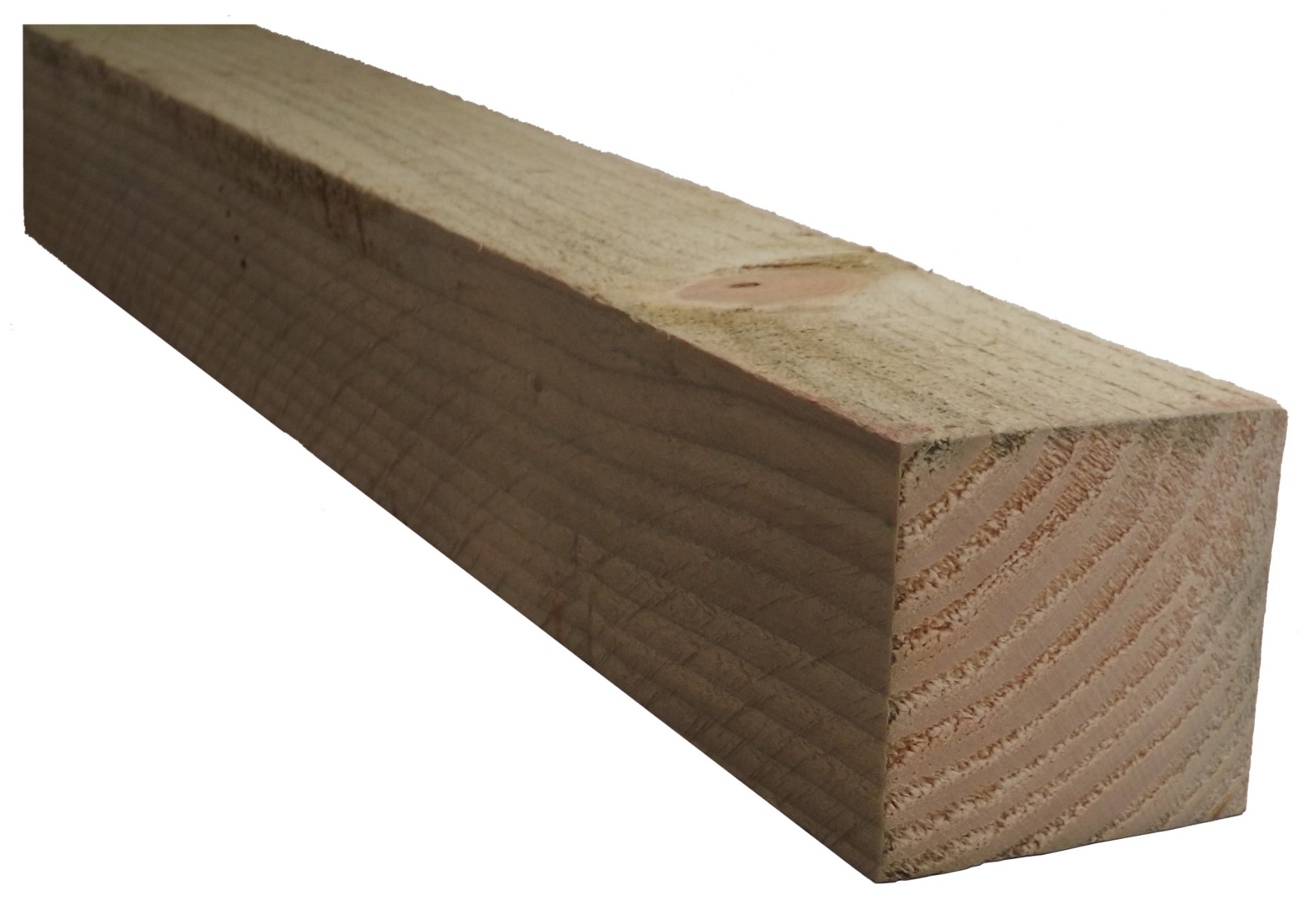
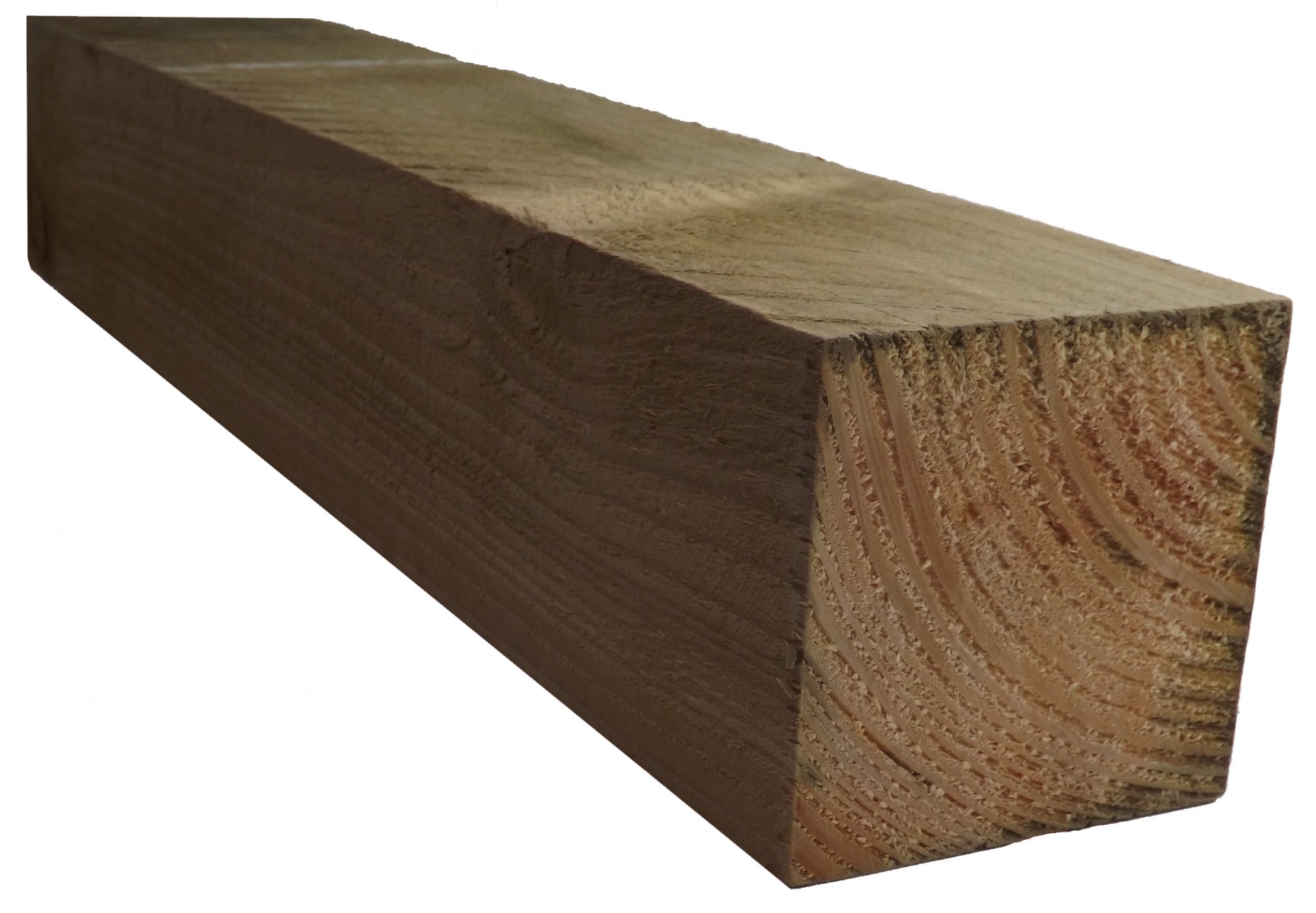
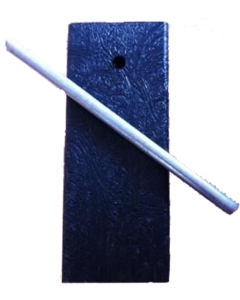
Posts are the backbone of a fence, so choosing properly goes a long way to determining how solid, straight and long-lasting your finished run will be. At Savoy Timber, our range of fence posts is built around keeping things steady and straightforward from the ground up, with reliable materials that take the stress out of getting everything aligned and secured.
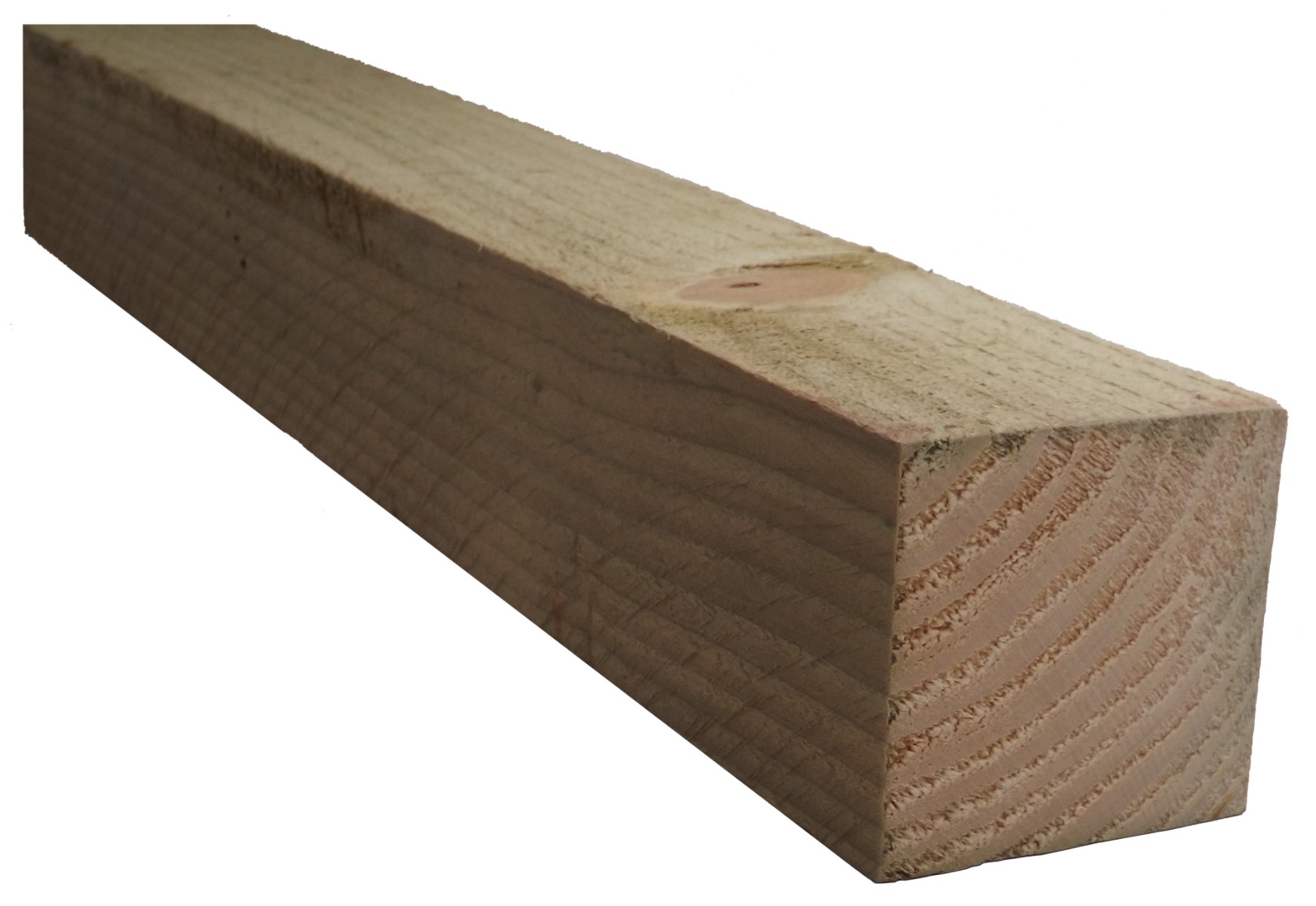
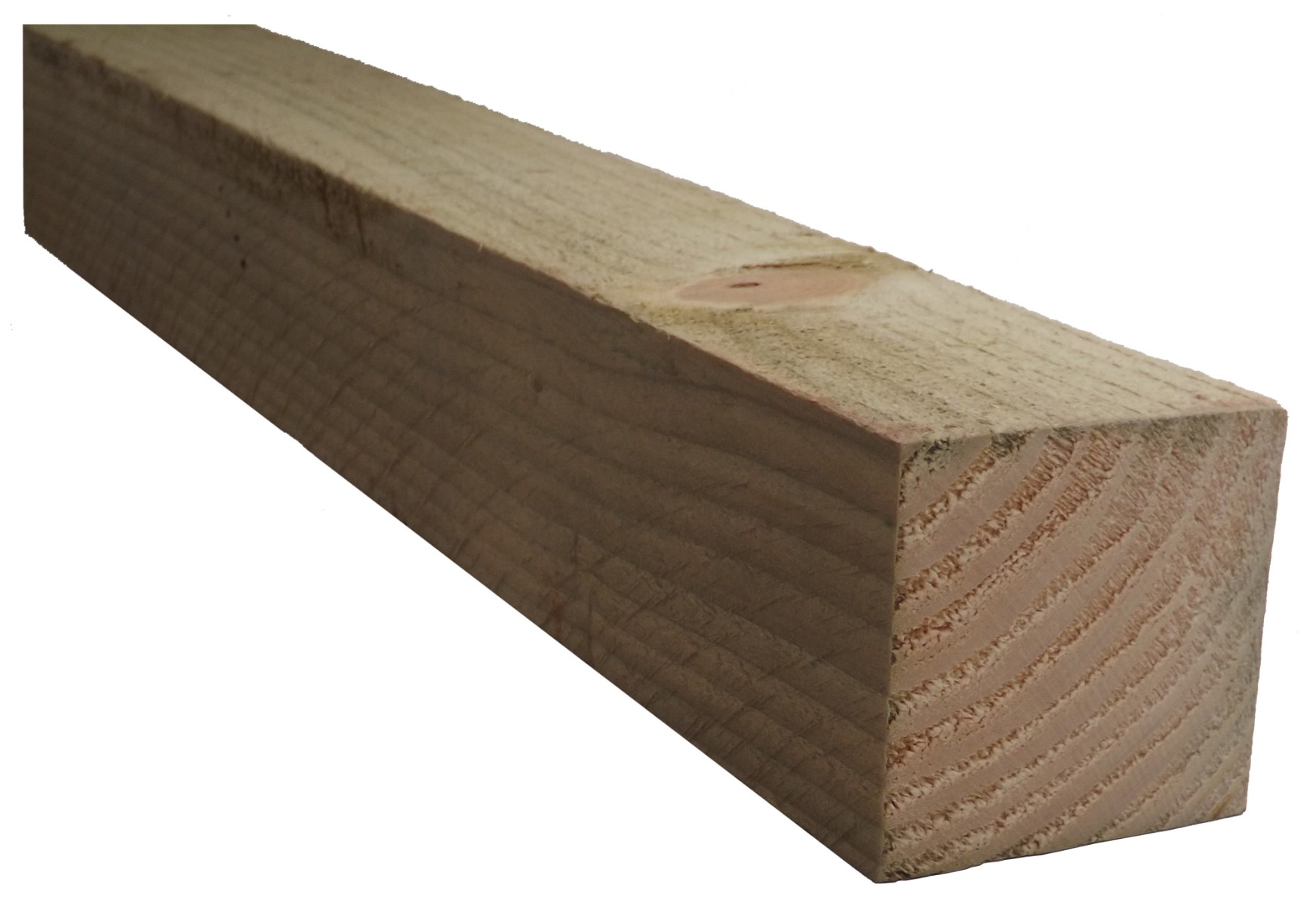
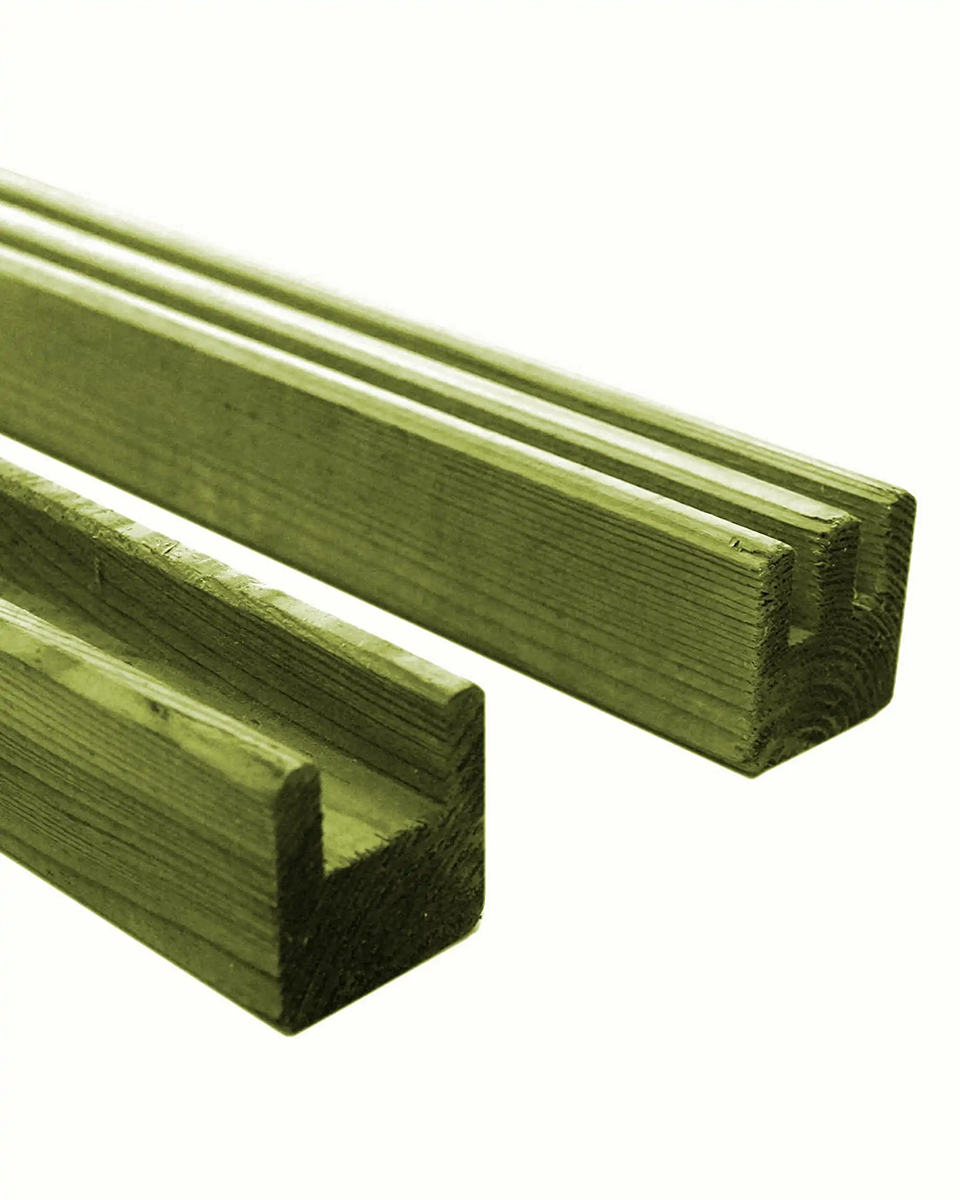
Within the range, you’ll find tanalised timber fence posts designed for outdoor use, treated to help them handle constant exposure to the elements without losing their integrity over time - we also supply timber side frames for European fencing panels. Across the board, our timber products are chosen for their consistency and ease of use, helping you get from planning to installation without unnecessary hassle.
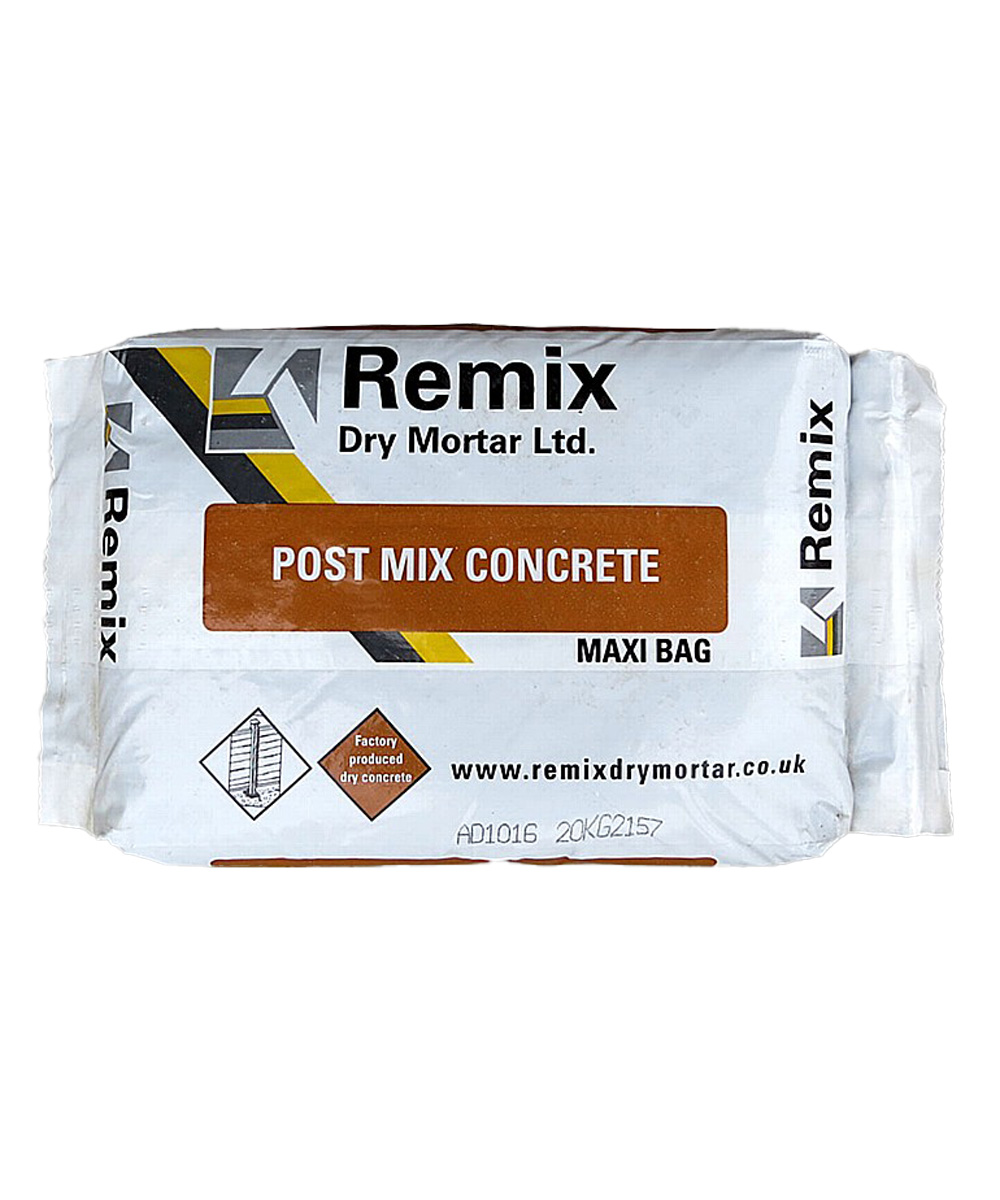
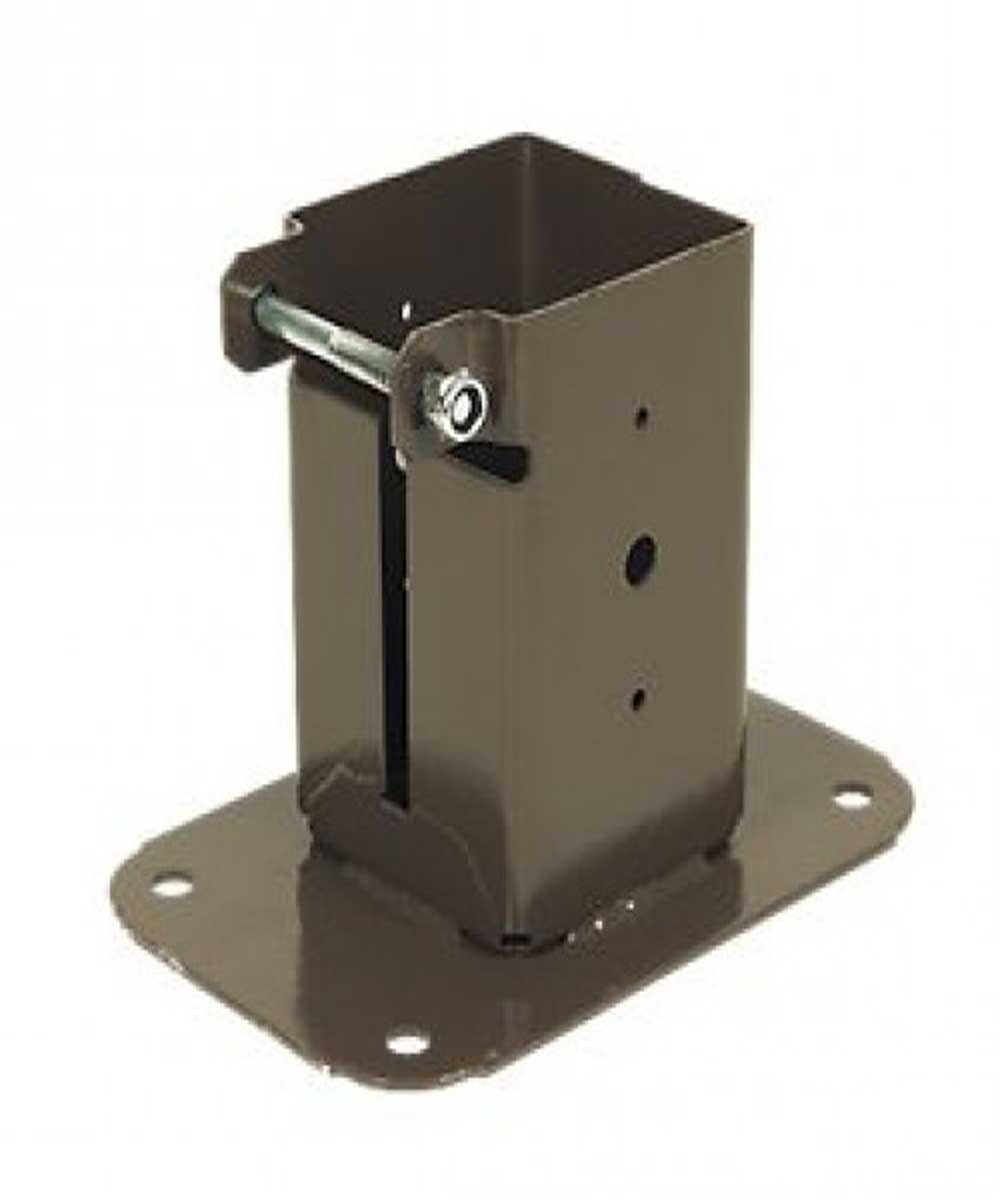
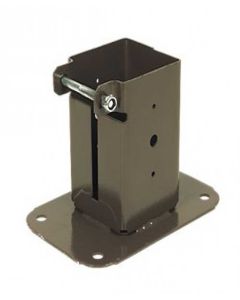
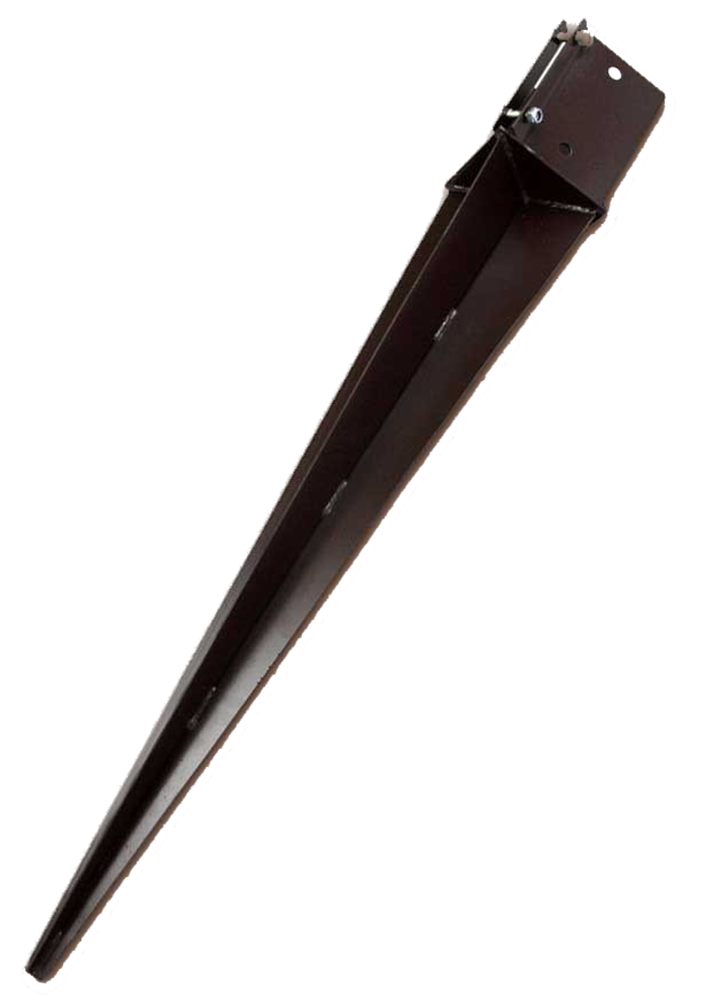
To make setting posts quicker and more controlled, we stock postmix concrete for fast, no-nonsense fixing straight into the ground. Alongside that, our fence bolt downs and spiked fencing post supports are both finished in a durable powder coating to stand up well in outdoor conditions and keep the installation looking tidy.
Ready to get started? To talk through your project, call our team on 0345 0268 799 today, and we’ll be happy to help!
Our timber fence posts are supplied tanalised, which means they’ve already been pressure treated to help protect against rot, decay and general outdoor wear. With that said, a lot of people still add an extra layer of protection with paint or a stain, providing extra durability and giving you the opportunity to customise your posts with a colour of your choice.
Can I install fence posts and fencing myself?
Yes, many customers take on fencing projects as a DIY job, especially with the right preparation and tools. The key is getting your measurements right, setting posts securely, and choosing a fixing method that suits your ground conditions. With products like postmix concrete, bolt downs and spiked supports, the installation process can be kept clear and manageable, even for those with limited experience.
How long do timber fence posts typically last?
When properly installed and used in suitable ground conditions, tanalised timber fence posts are designed to offer long-term durability outdoors. Their lifespan will depend on factors such as exposure, drainage and installation quality, but the pressure treatment helps them stand up well to typical garden environments over time.
What type of fence post should I choose for my fencing panels?
For most standard garden fencing, tanalised timber fence posts are a dependable choice due to their strength and enhanced protection. If you’re working with European fencing panels, timber side frames are often used to create a compatible and secure structure. The right choice usually comes down to the style of fencing and the ground you’re working with.